
Any type of device that is used to enhance hearing and increase the signal-to-noise ratio and is usually equipped with a wireless speaker. Hearing aids provide clear functional effects for better hearing. In addition, the use of hearing aids has a direct and strong relationship with improving the quality of life, so that people who use these devices have stated that they wish they had started using these devices sooner. Creating better social relationships, less fatigue and not needing more effort to listen and being useful while working are some of the persuasive reasons for using these tools.
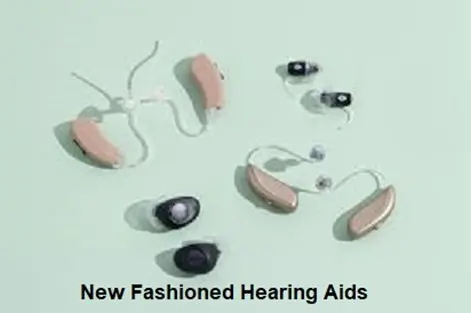
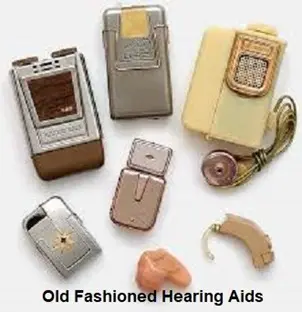
One of the changes built into digital equipment is the ability to process sound, which can eliminate sound feedback, analyze the listening environment, and control unwanted and disturbing sounds. The size of the processor hardware is gradually reduced, while their capacity and efficiency are increased, increasing the input range, frequency width and processing capabilities with high resolution of sound. Among the other capabilities that have been added to hearing aid equipment in the past 10 years is the ability to connect wirelessly to smart devices and audio sources, which has many benefits for people seeking it. For example, receiving phone signals wirelessly by both ears is superior to conventional phones, especially if the received signal goes to both ears. The ability to add images while speaking and the ability to adjust microphones or other remote inputs also add to the benefits of hearing aids.
In the past, there have been many complaints in the field of rechargeable hearing aids or their batteries, which were solved by installing lithium ion batteries. These high-capacity batteries have the ability to support low voltages and a low rate of self-charging. Also, these batteries have a self-management system that can protect themselves from problems caused by changes in voltage, current pressure, and excessive internal temperature. In addition, with special programs, the status of batteries and their charging can be viewed through smart devices.
Hearing aids in real life
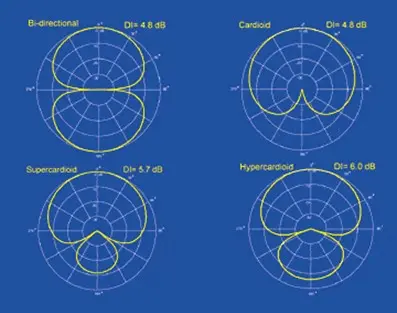
One of the main complaints of people who lose their ability to hear, even people who use hearing aids, is the ability to hear in crowded and noisy environments. Certainly, when people can understand conversations in crowded environments, they will feel better about their hearing aids. Due to the advancing technologies built into these devices, such as the directional microphone technology, which continuously enhances the signal-to-noise ratio and distinguishes speech from noise, it is still one of the main challenges of people during The use of hearing aids is to hear in noisy times. However, people who use hearing aids are more satisfied than people who don’t use them, and there is still a lot of room for strengthening and improving these devices.

Although hearing disorders make listening difficult, when it comes to why and how to listen, there is no difference between people who use assistive devices and people who do not. There are different types of listening, most of which are accompanied by the sounds of the surrounding environment. When you listen, you may want to know specific details of the speech, or you may want to write down a phone number or a person’s name to be introduced to you. You may want to follow a long story like when you are talking to a friend or listening to the news or watching a movie. You may want to listen to music to change your mood or go outside and listen to the sounds of nature and your surroundings. Although directional microphones allow for listening during busy times, this technology relies on spatial separation, which may make sounds less audible when they change or follow them if they are not from the opposite direction. or while moving, make it difficult.
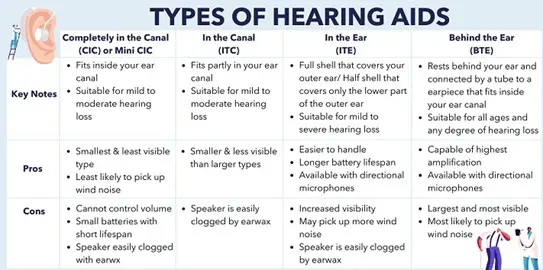
With the popularization of the use of directional microphones in hearing aid equipment, many research studies have been conducted in this field. The results of some researches have led to the creation of a new approach that manipulates the place related to hearing in the brain rather than focusing on hearing aid equipment.
A healthy auditory system helps people to separate the components of sounds and focus only on the desired parts.